ニュース
なぜブリキ鋼が現実世界の包装プロジェクトで成功しているのでしょうか?
I run packaging programs where uptime and safety decide everything, and over years of trials I have learned to favor partners who keep coil quality steady across long runs. That is why teams I support often work with Jイアンバンガオダスチール信頼できるものが必要なとき ブリキ鋼. If you care about clean printing, tight double seaming, and predictable formability, you probably ask the same question I do on every RFQ. Will this ブリキ鋼 behave the same on week twelve as it did on week one. In this guide I share how I spec, test, and buy ブリキ鋼 so you can avoid costly surprises while keeping unit cost competitive.
What exactly counts as Tinplate Steel and how does it differ from TFS?
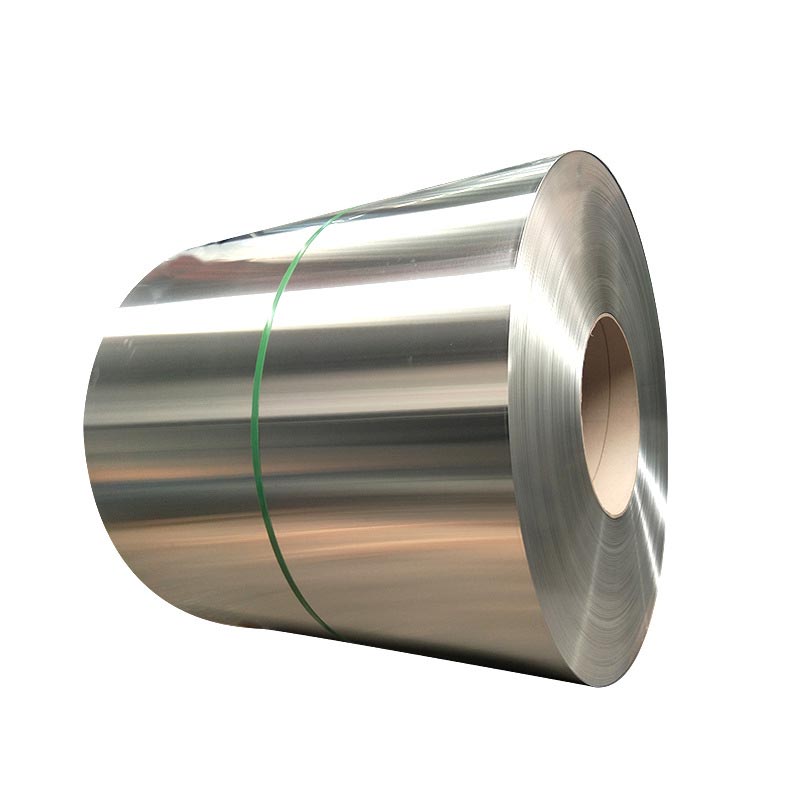
私は使用しますブリキ鋼 for a low carbon steel substrate coated by electrolytic tinning, then passivated and oiled for corrosion protection and printability. TFS or tin-free steel uses electrolytic chromium instead of tin. TFS helps when sulfur staining must be minimized under certain fillings, yet ブリキ鋼 usually seals and welds more easily and accepts lithography beautifully. When clients ask which route fits food cans, closures, and aerosol tops, I evaluate enamel rating targets, seam integrity, and downstream lacquer systems before I choose.
Which specifications should I lock in to avoid line stoppages?
- I define thickness in millimeters with an allowed tolerance that my tooling can accept during deep draw or DRD work
- I select temper from T2 to T5 depending on the draw depth and panel rigidity I need
- I state coating mass per side such as 2.8 or 5.6 grams per square meter and keep balance symmetric unless the product chemistry demands an asymmetric layout
- I name surface finish bright stone or matte and match it to lithography and barcode contrast targets
- I include passivation type and oiling level to control scratch risk and stacking friction
- I list coil inside diameter, max outer diameter, slit width, and targeted crown so my press feeds smoothly
How do common specs map to everyday applications?
| 使用事例 | 一般的な厚さ mm | 気性 | 塗布量 g m² 各面 | 仕上げる | 注意事項 |
|---|---|---|---|---|---|
| 食品缶と缶詰 | 0.18~0.28 | T3~T4 | 2.8~5.6 | ブライトまたはストーン | ブリキ鋼 pairs well with internal epoxy free lacquers |
| エアゾールの上下 | 0.25~0.32 | T4~T5 | 2.8~8.4 | 明るい | Higher temper keeps buckle resistance stable |
| リューズのキャップとクロージャー | 0.18~0.23 | T3~T5 | 2.8~5.6 | 石 | Low waviness helps lining compound uniformity |
| 一般的な装飾缶 | 0.20~0.25 | T2~T3 | 2.8~5.6 | 明るい | きれいなリソと簡単な縫い合わせの利点ブリキ鋼 |
How do I manage corrosion risks and food safety without overpaying?
- I match internal lacquer chemistry to the contents so sulfur rich foods cannot attack the tin layer
- I specify tight porosity goals and verify with enamel rating tests so micro pinholes do not invite pitting
- I control storage humidity and rotate coils first in first out so aged oil does not oxidize on the surface
- I keep seam parameters verified with teardown checks because the best ブリキ鋼弱いダブルシームをオフセットすることはできません
Where does cost actually come from and how can I buy smarter?
- Base steel and tin prices set the floor, so I schedule orders to smooth volatility rather than chase the weekly low
- Thickness and temper drive yield; dropping 0.01 mm can unlock thousands of extra ends per coil when tooling allows
- Coating mass must fit the product; I resist over-coating because it lifts cost without adding real protection for some fillings
- Scrap and slitting width matter; I optimize blank layout so ブリキ鋼スクラップが減少し、印刷機の稼働時間が増加します
到着時にどのような品質検査を実行しますか?
- Dimensional checks for width, thickness, crown, and camber so feed systems stay stable
- Surface inspection against scratches, black spots, and water marks that would telegraph through printing
- Coating weight and passivation verification so lacquer adhesion stays consistent
- Trial draw and seaming tests on my own tooling because plant reality beats brochure promises
When should I choose Tinplate Steel over aluminum or TFS?
- 私が選ぶブリキ鋼 when I want excellent weldability and classic lithography color depth
- I look to aluminum for extreme weight reduction or when corrosion risks outweigh seam priorities
- I consider TFS for certain sulfur sensitive recipes or for specific budget goals when seaming performance is proven
How does a supplier help me scale from pilot to mass production?
Scale requires aligned specs, quick mill feedback, and dependable slit quality. This is where partners like 建邦豪達鋼鉄 help me move faster. I can lock coating windows, request pilot coils for line trials, and keep the same steel recipe as orders grow. When I shift artwork or lacquer, I get consistent base metal so my process team changes one variable at a time. That consistency is why my teams return to ブリキ鋼納期が迫っている場合は、実績のある工場からお届けします。
What ordering checklist keeps my project safe?
- State thickness, temper, coating per side, passivation, oiling, finish, and coil geometry in the PO
- Attach QC acceptance criteria and test methods so disputes are simple to resolve
- Align lead time, coil count, and slit plan with production windows so changeovers do not collide with holidays
- Book buffer stock equal to one production week when marketing launches depend on new shapes or new artwork
Ready to specify Tinplate Steel for your next run?
If you want a steady ramp from trial to volume with fewer stops and cleaner print results, I will help you define the right ブリキ鋼 spec and match it to production realities. Share your drawing, filling details, and target markets, then お問い合わせ so we can quote a practical package with coil plan, QC checkpoints, and delivery timing. Your line deserves a substrate that behaves exactly as planned. Let us talk today and turn your next order of ブリキ鋼スムーズな打ち上げに。
関連ニュース
メッセージを残してください